A Stern Talking-To
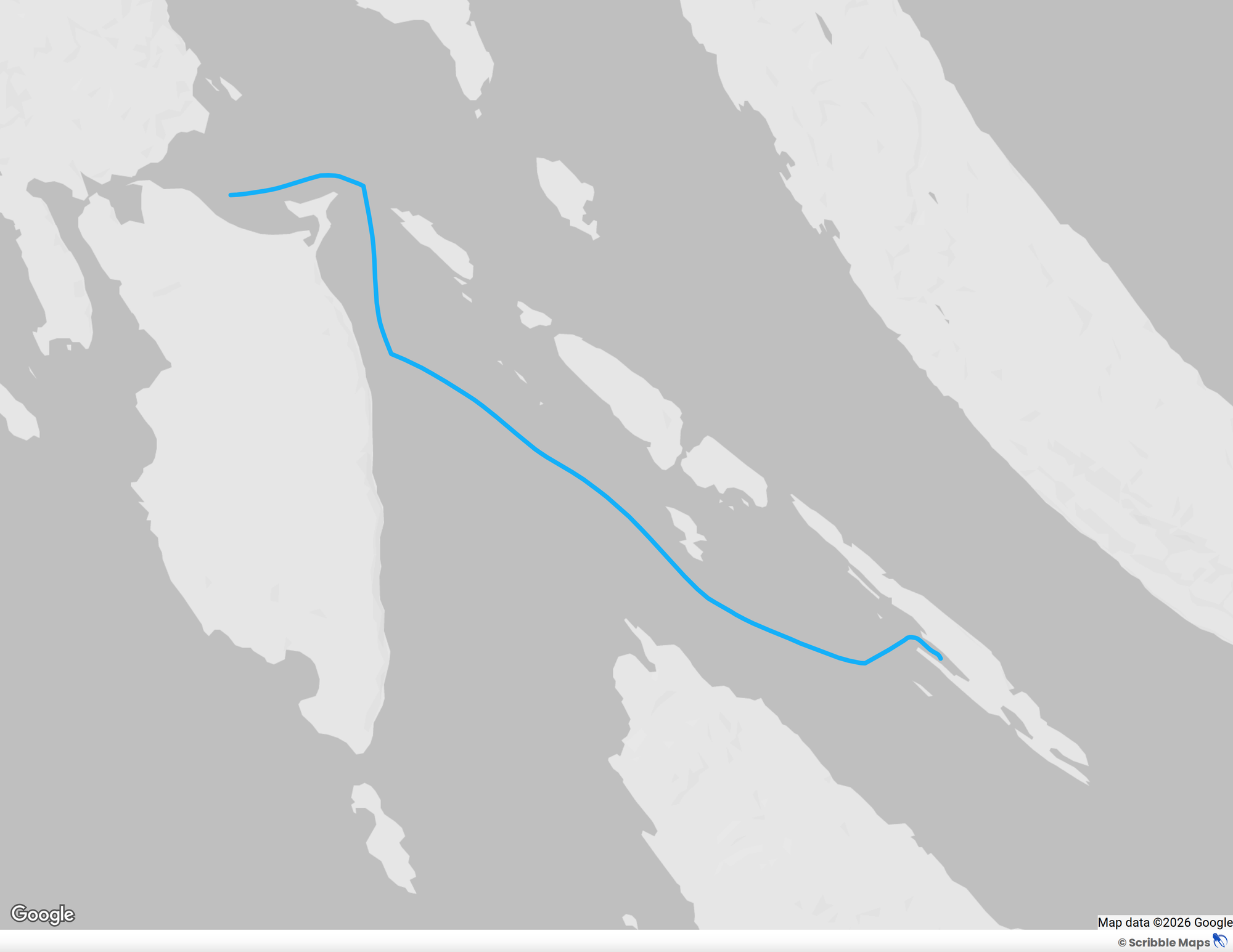
A quick snort of a trip was on the chart following a lazy morning. If all worked as planned, we’d drop the hook in Princess Cove at the Wallace Island Marine Park. This would mean doing our first stern tie.
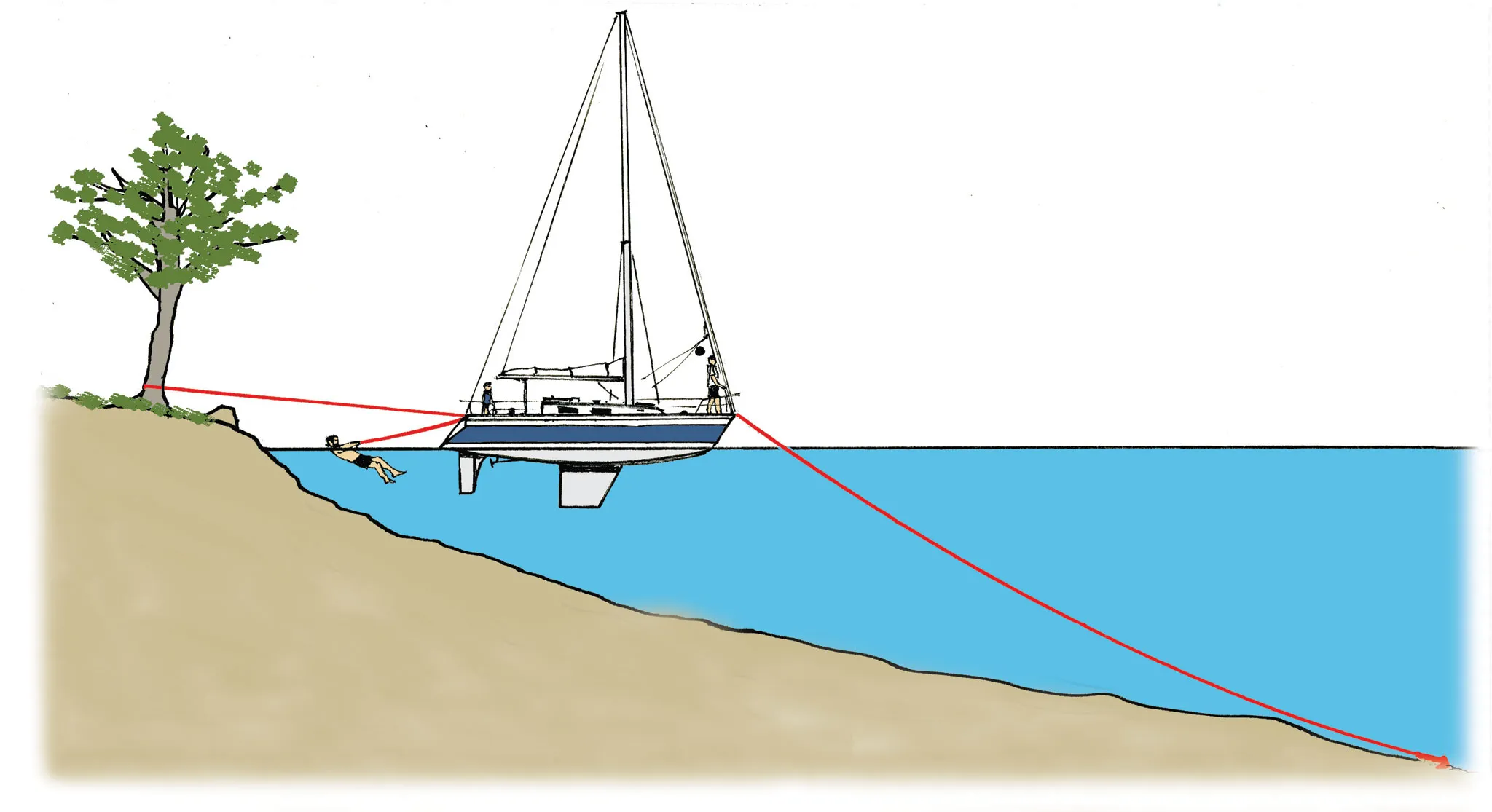
A stern tie is a form of securing the boat in a tight space or using a point on shore to ensure that the vessel remains in a particular orientation. It's achieved by anchoring in the water as usual (sometimes with a shorter length of chain) and then running an additional line from the rear of the boat to a sturdy point on shore. It can be a technique for added security, or anchoring in a protected cove that doesn’t allow enough room to swing freely at anchor. It’s frequently used in British Columbia to accommodate more people in a highly desirable location.
The concept is straightforward: You drop and set the anchor, reverse toward the shore and then use your dinghy (or swim) to take a line to land where you secure it to a boulder or (carefully) a tree. In the many marine parks of British Columbia, there are often anchor points already installed, such as large steel rings embedded in the rock. Easy, hey?
We did some reading and watched a couple of videos to bone up on proper technique. I had high hopes of pulling it off with grace, aplomb, and little-to-no stress.
That is not what happened.
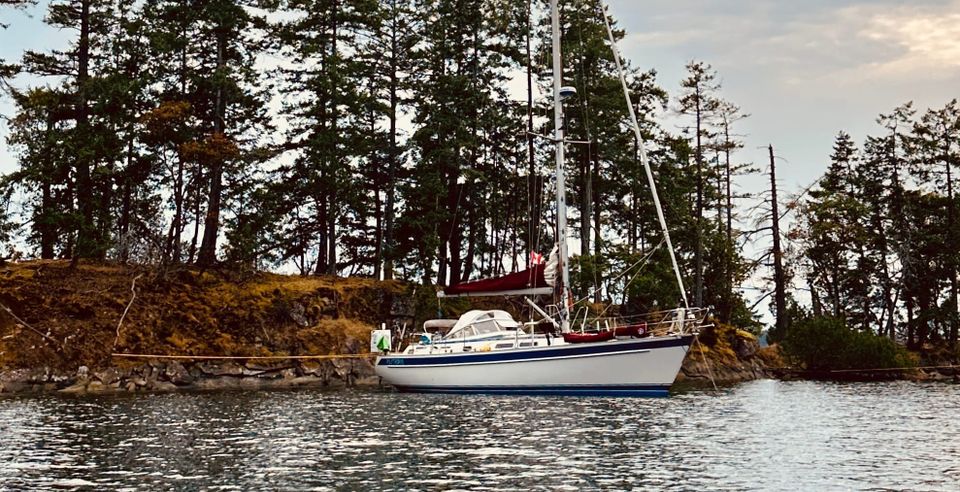
We entered Princess Cove and saw a few boats already stern-tied, but there appeared to be plenty of room. We had given ourselves the option of bailing if it didn’t feel safe and comfortable but the conditions felt OK. After spying a chain and steel ring laying high up on shell-encrusted rocks, we set the anchor, just upwind of some friendly folks in large power boats. Katherine backed toward the shore and I clambered into the dinghy and started rowing.
A couple of significant problems immediately presented themselves, with more to follow.
For some reason, despite my research, I formed this idea that I would row a wild bird’s nest of floating line to shore, just piled up in the dinghy between my legs and easily pay it out as I went. It won't tangle if I'm managing the feed, right?
Also, there was wind. Not huge wind, but persistent wind.
It took seconds for the sailboat to catch wind on the beam and start sliding toward the powerboats while, simultaneously, I began a confused grappling with the line connecting me and the dinghy to the boat. It had become a tangled mess that I appeared to be sloppily nesting in.
Katherine’s wind challenge was compounded by the “prop walk” of our boat. When the boat is in reverse, the rotational force of the propeller blades biases the boat to port, which was also where the wind was pushing things, toward the smiling people enjoying their cocktails aboard their shiny and expensive looking trawler. Were their smiles starting to look forced?
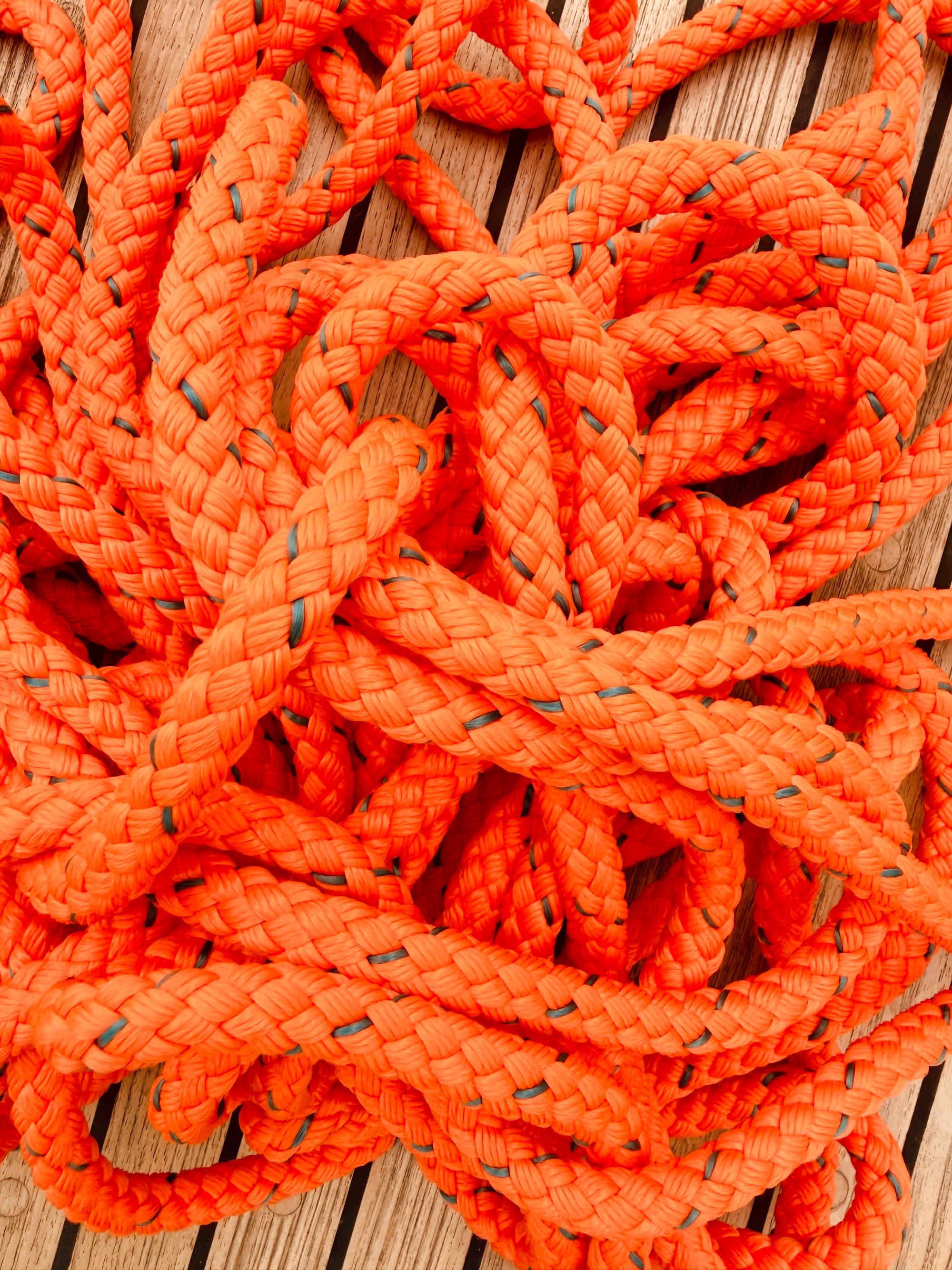
So Katherine was working the steering and engine to keep from swinging into the very nice, but increasingly fidgety, people while I made it to shore and began clambering over sharp oyster shells and slippery rock, struggling with a deranged pile of spaghetti strung across my body and the dinghy and the shell-encrusted rocks and anything something fibrous could possibly snare on. That steel ring really seemed quite high up the embankment at this point.
That is when our anchor came loose.
Katherine could no longer use the chain as a line to leverage against. And even if I could complete the stern tie at that point (questionable), I would have just been securing an unanchored boat to a rocky shoreline (undesirable).
Our very nice and very nearest downwind neighbor had seen enough. He jumped in his dinghy, jetted over to our chain and physically took control of it as Katherine brought the anchor up closer to the surface. Then he motored it further out, as Katherine fed more slack on the chain, and he dropped the anchor in a better spot.
Fortunately there are no photos or video of me and my messy battle to secure the stern line while it was half wrapped around my body and—if I failed to mention earlier—my absurd ducky sweater. Eventually it all got sorted.
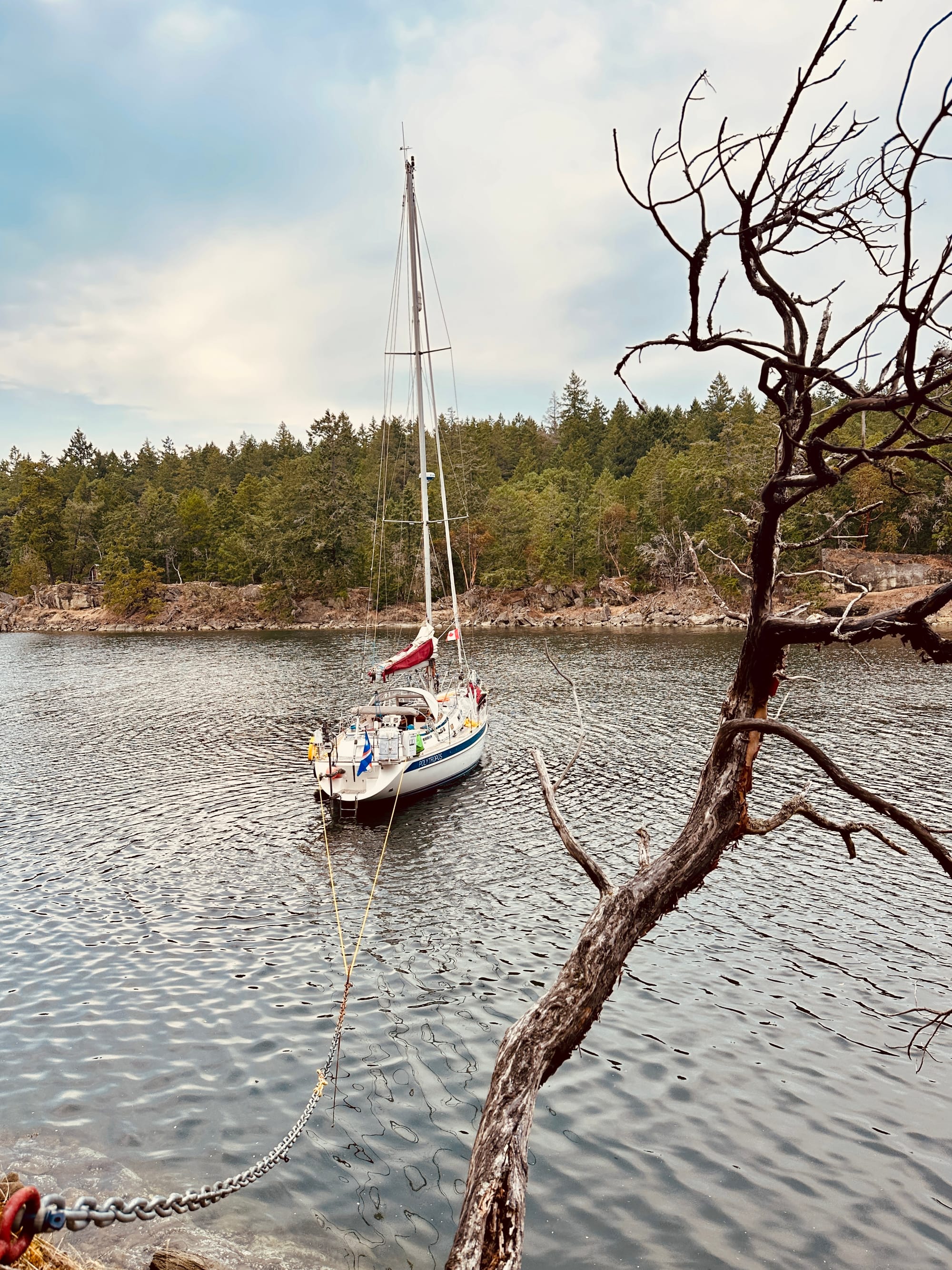
We felt pretty embarrassed as we really like to not suck at things, but our neighbor was chipper enough, happily proclaiming that he’d often seen far worse. So his tact was appreciated, along with his assistance. Canadians really are freakishly nice. Or maybe they’re just normal nice and the expectation of kindness has been conditioned out of me in the US?
When this occurred, in September of 2025, political and economic tensions between the US and Canada were high. Amazingly, they have only continued to escalate. So let me offer here that there's a difference between being freakishly nice and being willing to put up with bullshit. In my experience Canada is nice, but not putting up with the crap. In much of the US, we've dropped the niceties but we sure seem to be putting up with all the crap.
We spent the next few days enjoying the cove and the island, encountering a variety of weird leaf faces left on the trail by people (it seems to be something of a custom around here), watching other people stern tie, and developing an appreciation for the value of voyeurism in learning better boat handling, and enjoying one of the many marvels of BC’s Marine Parks system. It’s quite a public asset, with more than 200 distinct dedicated park areas and over 16,000 miles of protected coastline.
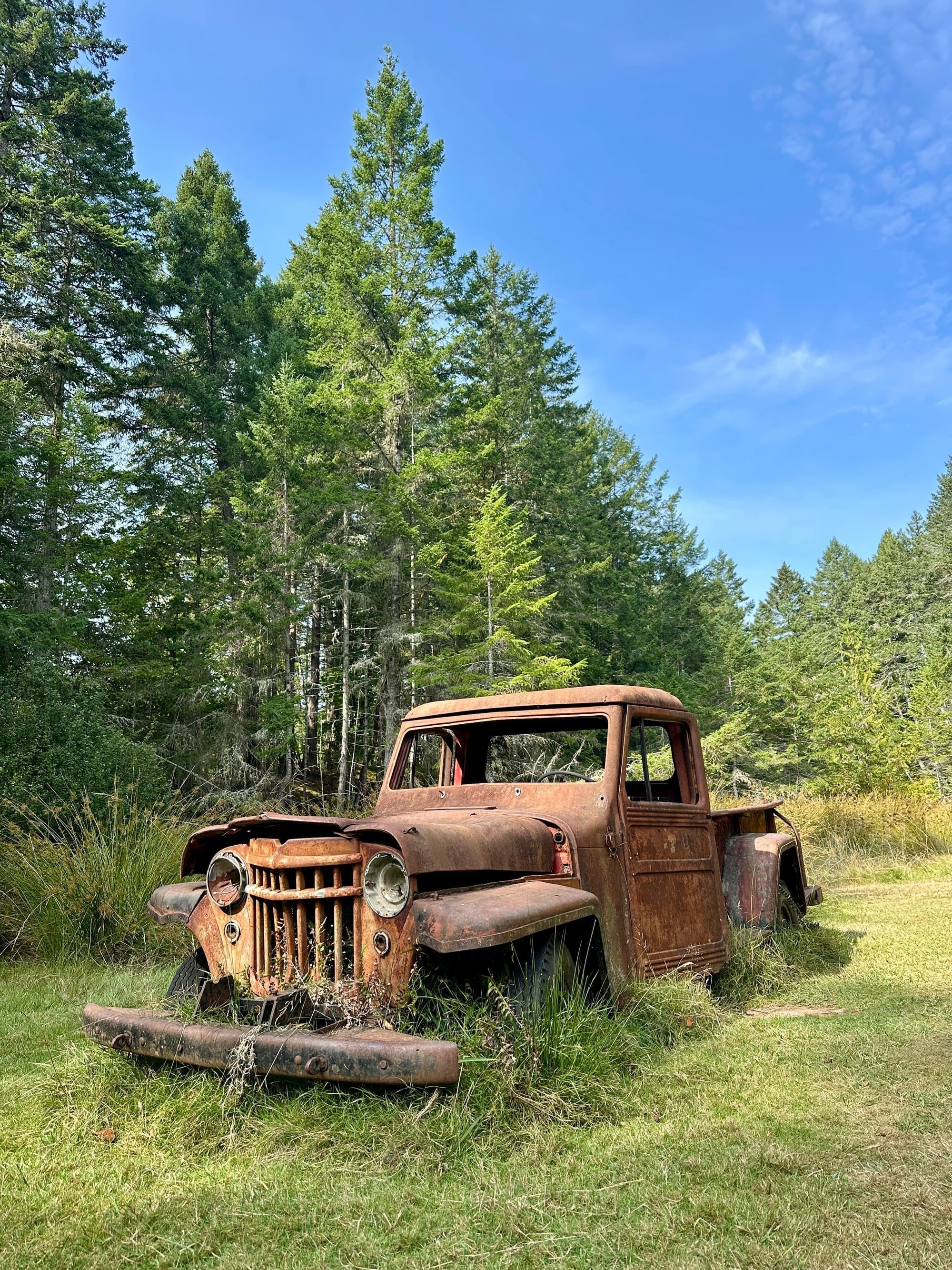
The place was lousy with eagles, otters, kingfishers and stupefyingly beautiful sunsets. We met Christopher from the Sailing BC, who promptly gifted us a fresh salmon. In return, we had him over for dan dan noodles and a lively discussion of sailing, fishing, sweet and discrete BC anchorages, and US/Canadian turmoil.
Not bad.
Never necessary, always accepted with gratitude, no subscription required
Member discussion