Land vs Sea

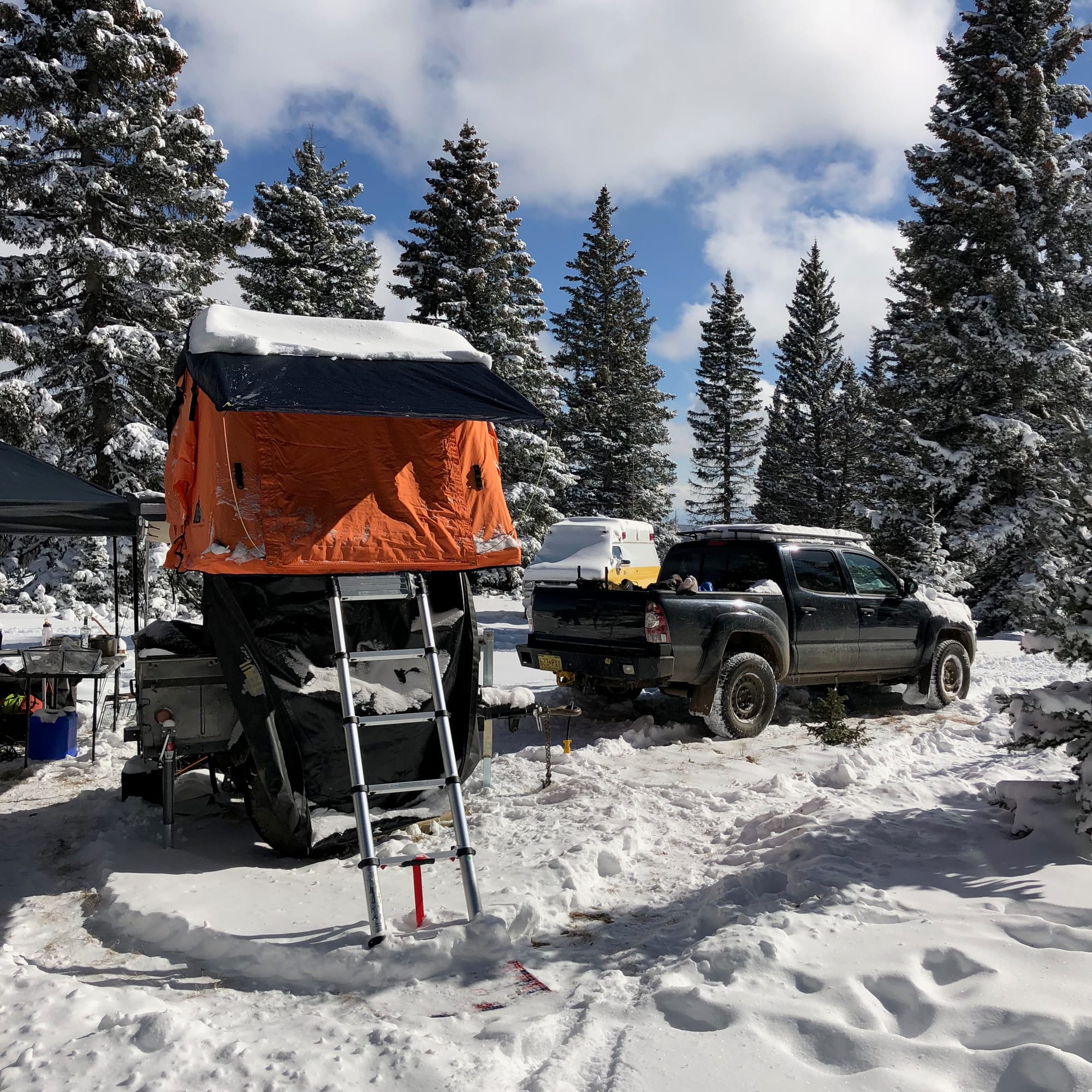
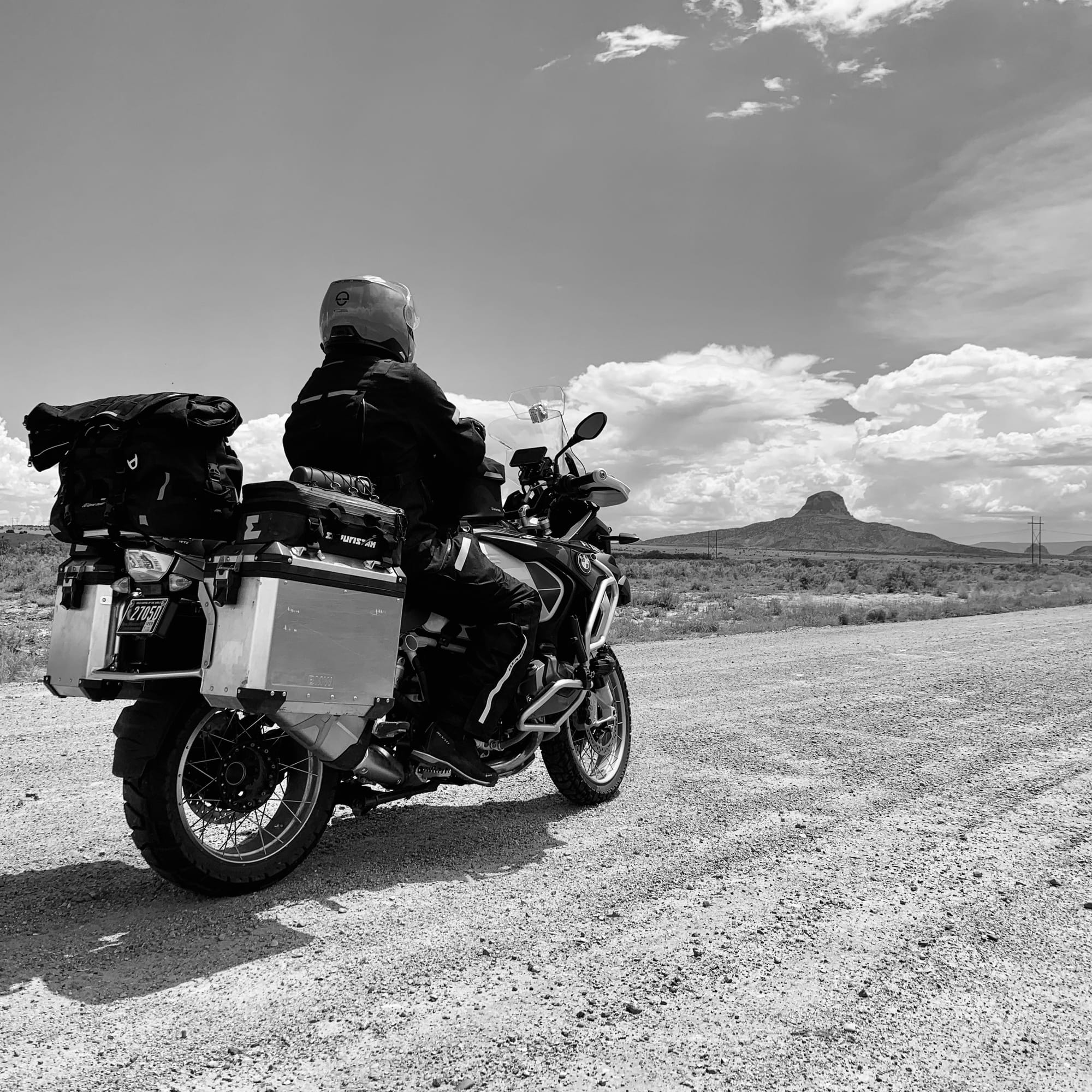
I had done a fair amount of motorcycle- and truck-based overlanding and camping as well as a good run of “van life” or, let’s call it “van life lite,” before running away to live on a sailboat. I was never a full-time nomad, usually only out wandering for weeks or a few months at a time, but certainly always I preferred to find lonelier and more remote locations to kick around in. So, I have a reasonable sense of what it’s like to engage in dedicated vehicle-supported exploration of varied and wild terrain in rugged territory, offgrid, and with limited resources.
So what are the similarities and differences?
Cruising a sailboat through the San Juan and Gulf Islands of the Pacific Northwest has a vibe that is eerily similar to car camping across the Mountain West in the US. There are lots of beautiful, far-flung places to camp/anchor and there are a ton of funky towns to occasionally stumble across, each hosting a cafe, a brewery, and maybe a farm stand or two.
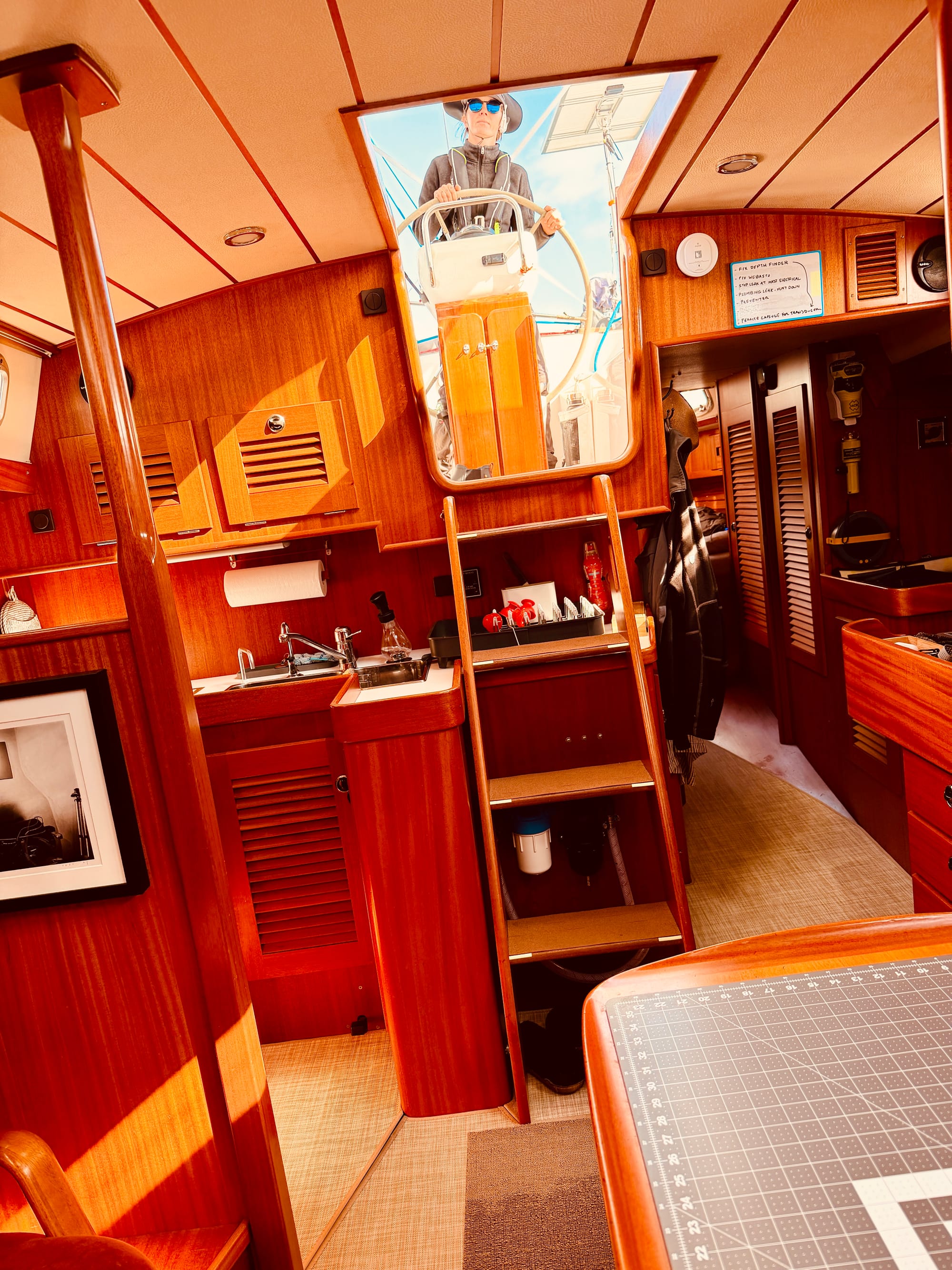
A 40-foot boat feels large and luxurious compared to a 20 foot van, for starters. The general construction, joinery, and attention to detail on a boat is radically superior in almost all ways. So, in one sense, you’re doing everything with a little more comfort. A lot of the systems are similar as far as plumbing, power, and heating.
On the other hand, when you park up somewhere in your camper, you’ve pretty much stopped moving. The boat never stops moving. That movement can be the gentle rocking that leads to an incredible night’s sleep or it can be the wild pitching that leaves you quietly traumatized.
In a truck or van, you’ll pull onto the highway and go 80 miles an hour just a few feet from other multi-ton vehicles traveling the same speed. You’ll have an involved conversation while doing so and maybe a sandwich. Not far away, oncoming traffic will be hurtling toward you at a similar speed. In a sailboat, you’ll be traveling across wide open water at about 5 miles per hour, see another boat a mile away and start carefully calculating how you’re going to avoid a collision and who should give way to whom.
A boat is directly on—and in—the surface it’s traveling across, whereas a motorized land vehicle has a whole system of air-filled tires and complex suspension. I mean, imagine if the undercarriage of a campervan were being tenaciously fondled by every crack and crevice of the road surface, all of that tarmac, dirt and gravel hunting for the smallest orifice to punch through and begin filling the vehicle at a rate of, say, 30 gallons per minute. Thirty gallons per minute being a rough and conservative estimate of how much water can enter a boat through a 1-inch hole a couple of feet below the water line.
Now imagine you’ve driven overland to a beautiful campsite in a gorgeous spot with an incredible view. You park and set up your gear and everything is just right. But instead of engaging the emergency brake, you chuck out a weighted hook attached to a piece of chain many times the length of your vehicle. You can’t see where the hook has landed, but you know that if it doesn’t hold, you’ll just start sliding, maybe toward the edge of a cliff or another vehicle.
Now factor in that every time the wind shifts, your entire vehicle and campsite rotate around this big ass hook, shifting your view and the direction you’re facing and the orientation of your solar panels, your wind break, your shade awning, etc.
But just for good measure, it’s not just the wind that’s moving you around, because the ground is also shifting underneath you, maybe shifting heights up and down by several feet per day and sliding this way and that, completely changing direction every 6 hours or so, and altering your distance from hazards, like that cliff edge. And, naturally, the ground is moving in a somewhat different direction from the wind. And when it’s moving against the wind, it makes you bounce up and down in a choppy, sickening way. Don’t forget to hoist a light way up in the air so that other vans don’t run into you in the middle of the night.
And if you start wigging out because, for example, a lightning storm is coming and you realize you have a fifty-foot tall aluminum pole on top of your van, bailing can be complicated. After (or while) retrieving that giant hook, you’ve got to raise up some huge pieces of fabric using ropes and winches, in order to catch enough wind to start those wheels rolling over the ground which has never stopped moving. Every time you steer in a different direction, you need to re-orient those big pieces of fabric in order to keep your momentum. Also it’s super tricky and uncomfortable to go straight toward the wind and kind of tricky to go directly away from it, so no matter what your destination is, you're probably getting there by linking together a series of oblique angles. And, if you do everything just right and luck is on your side and the weather abides and the ground doesn’t move in too funny a way, you might travel at 7 or 8 miles per hour.
So, yeah, traveling by boat is a lot weirder and often feels significantly more precarious than traveling by camper.
But it’s also glorious.
Never necessary, always accepted with gratitude, no subscription required
Member discussion